Heat Pumps in Dunfermline: Buyer’s Guide
What Is a Heat Pump and How Does It Work?
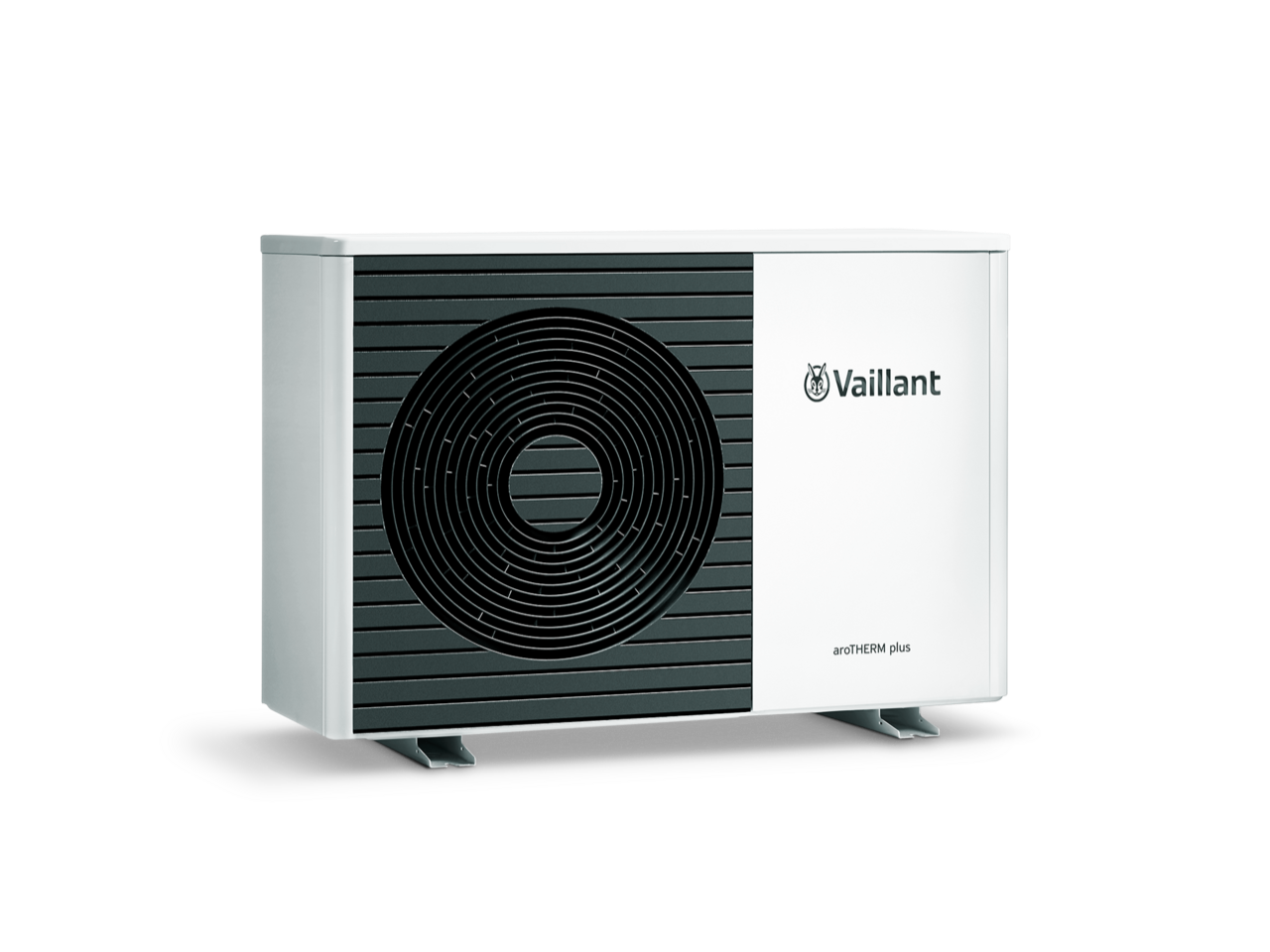
A heat pump transfers heat from outside air into your home, using electricity to run efficiently rather than generating heat through combustion like a gas boiler.
Air source heat pumps are the most common type installed in Dunfermline properties. They:
- Extract heat from outside air, even in low temperatures
- Use a refrigerant cycle to increase the temperature
- Distribute heat through radiators or underfloor systems
For a full overview of available systems, explore our Heat Pump Services.
Are Heat Pumps Worth It in Scotland?
One of the most common questions is whether heat pumps are effective in colder climates.
Performance in Scottish Conditions
Modern systems are designed to operate efficiently in low temperatures, including typical Scottish winters. Performance depends on:
- Property insulation levels
- Heating system design
- Correct installation and setup
Key Benefits
- Lower carbon emissions compared to gas systems
- Consistent heating rather than on and off cycles
- Potential long-term energy savings
- Eligibility for government grants
The UK Government provides funding support through schemes such as the Boiler Upgrade Scheme.
Types of Heat Pumps Available
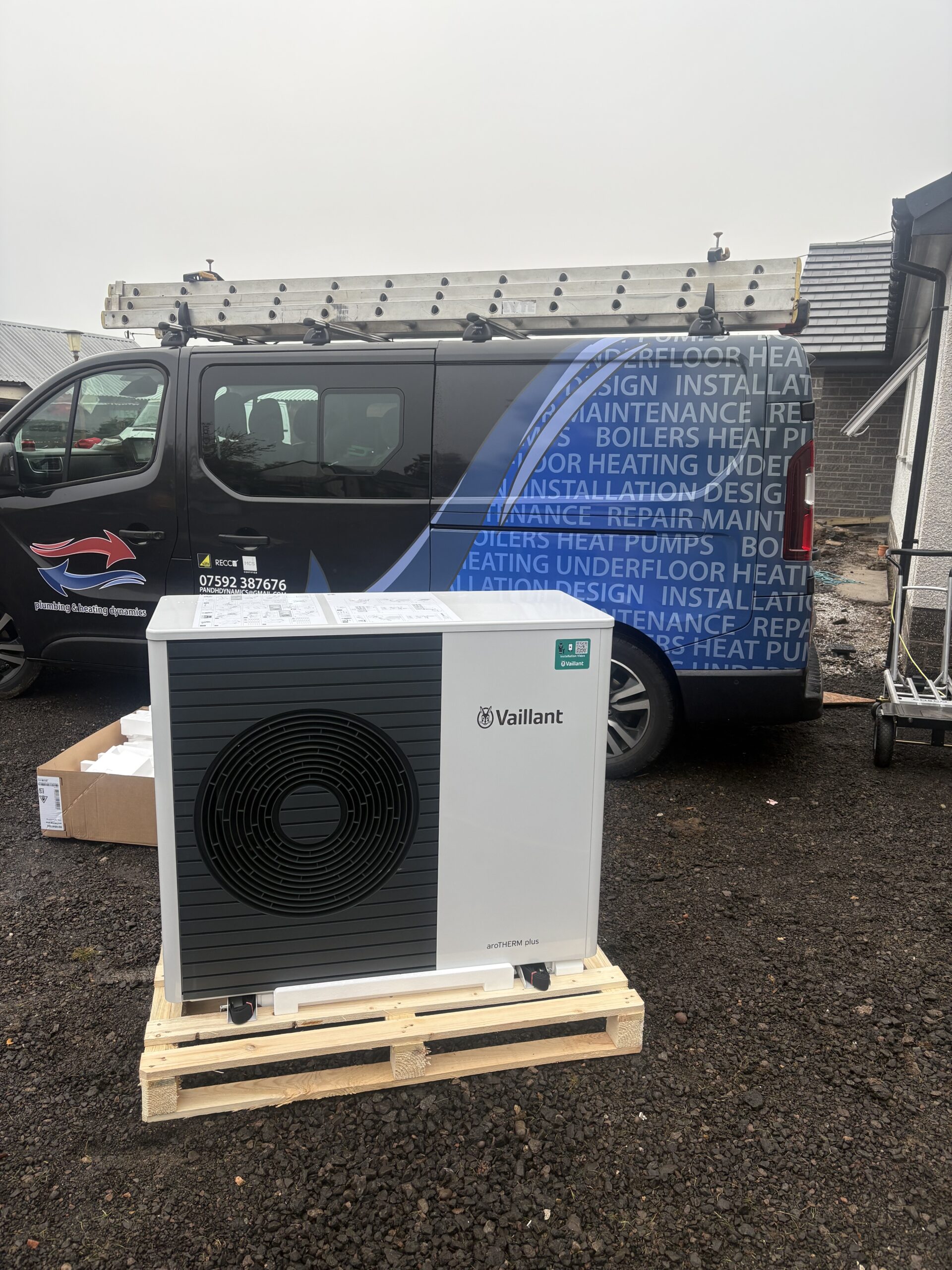
Air Source Heat Pumps
- Most common in Dunfermline homes
- Suitable for a wide range of properties
- Lower installation complexity than ground systems
Ground Source Heat Pumps
- Require significant outdoor space
- Higher installation costs
- Stable long-term performance
For most domestic properties, air source systems are the practical starting point.
Is Your Property Suitable for a Heat Pump?
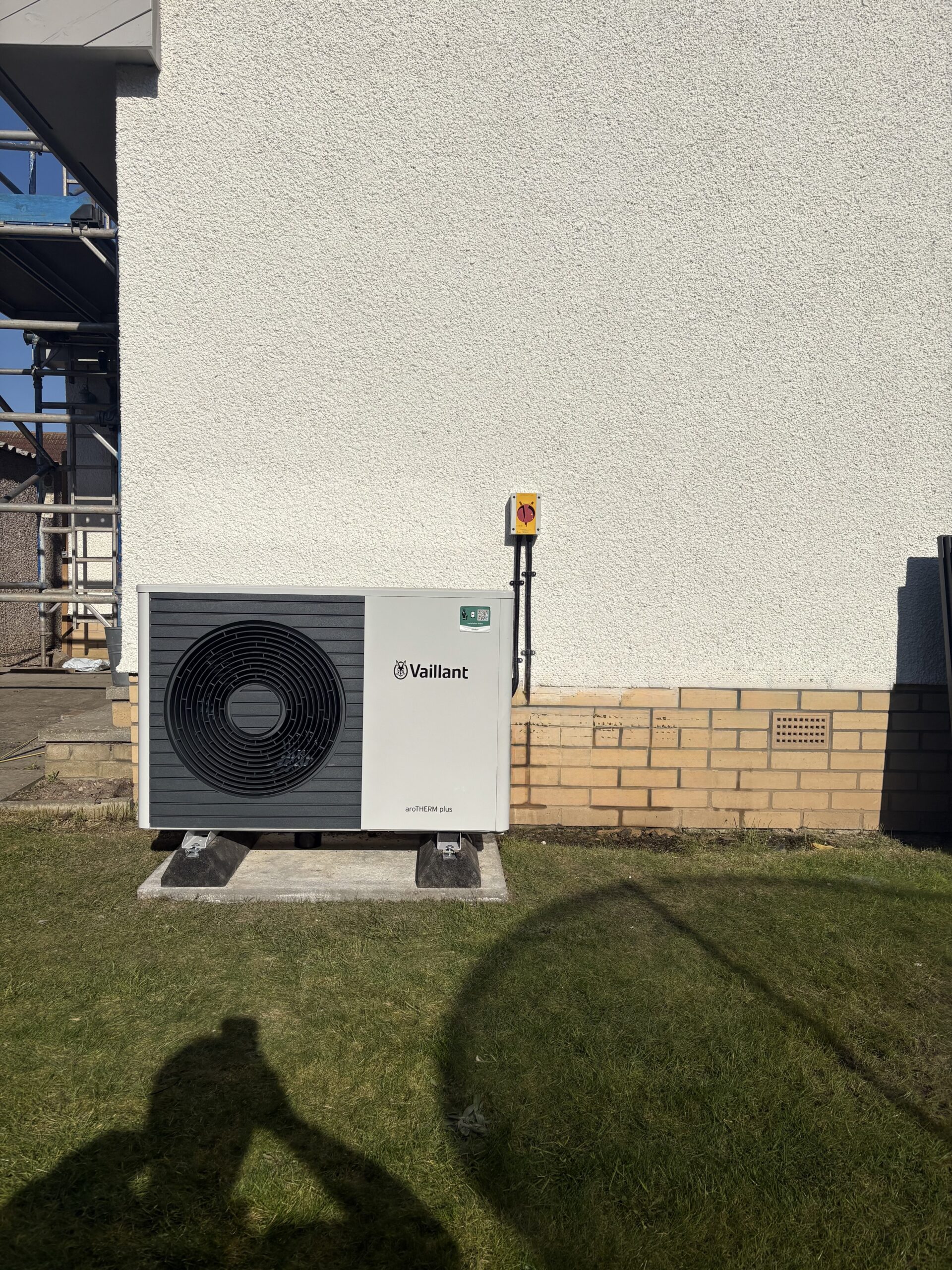
Heat pumps are not a one-size-fits-all solution. Suitability depends on how your property retains and distributes heat.
Suitable Properties
- Well-insulated homes
- Properties with modern radiators or underfloor heating
- Homes undergoing renovation or system upgrades
Less Suitable Without Upgrades
- Poorly insulated properties
- Systems with undersized radiators
- Older heating setups without optimisation
In some cases, improvements such as Heating Performance Improvements or Power Flushing may be recommended before installation.
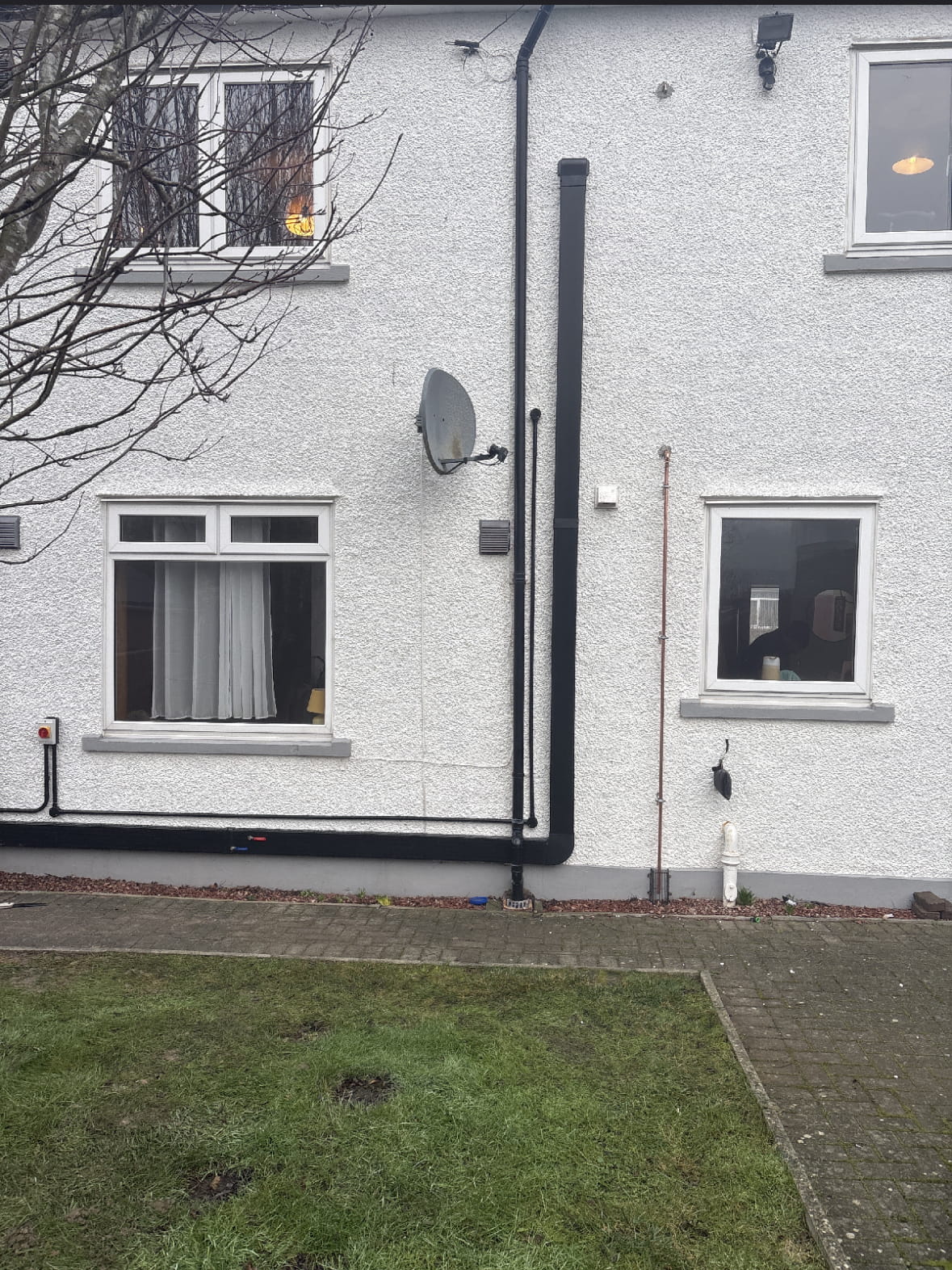
Heat Pump Installation Advice
Installing a heat pump requires careful planning and system design.
Step 1: Property Assessment
- Heat loss calculations
- Insulation review
- Existing heating system evaluation
Step 2: System Design
- Correct sizing of the heat pump
- Radiator or underfloor compatibility
- Hot water system integration
Step 3: Installation & Commissioning
- Professional installation
- System testing and setup
- Performance optimisation
Choosing an experienced installer is critical.
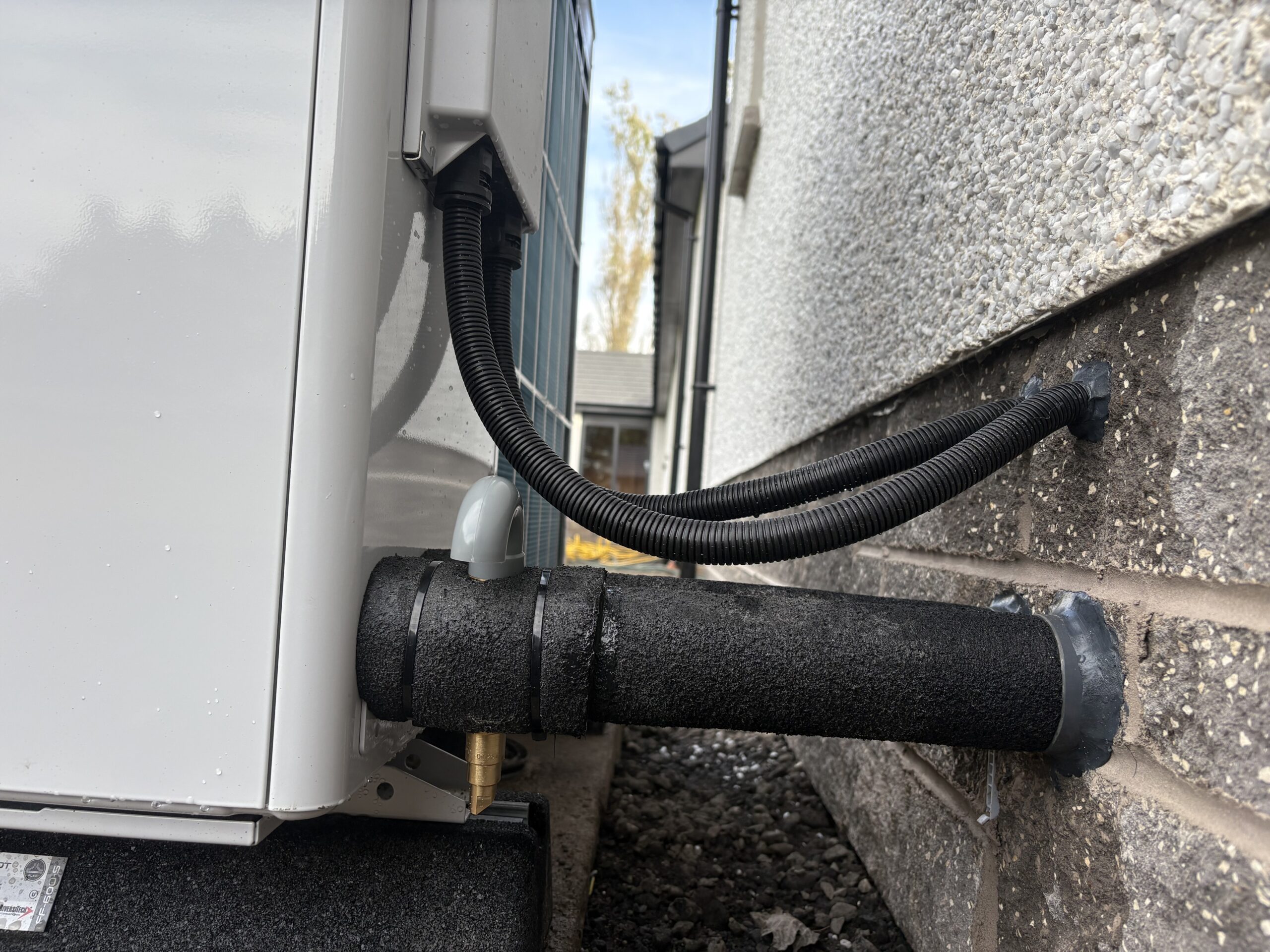
How Much Does a Heat Pump Cost in Dunfermline?
Costs vary depending on:
- Property size and layout
- Required system upgrades
- Type of heat pump installed
While installation costs are typically higher than traditional boilers, funding schemes may offset a significant portion.
For accurate pricing, request a tailored assessment rather than relying on estimates.
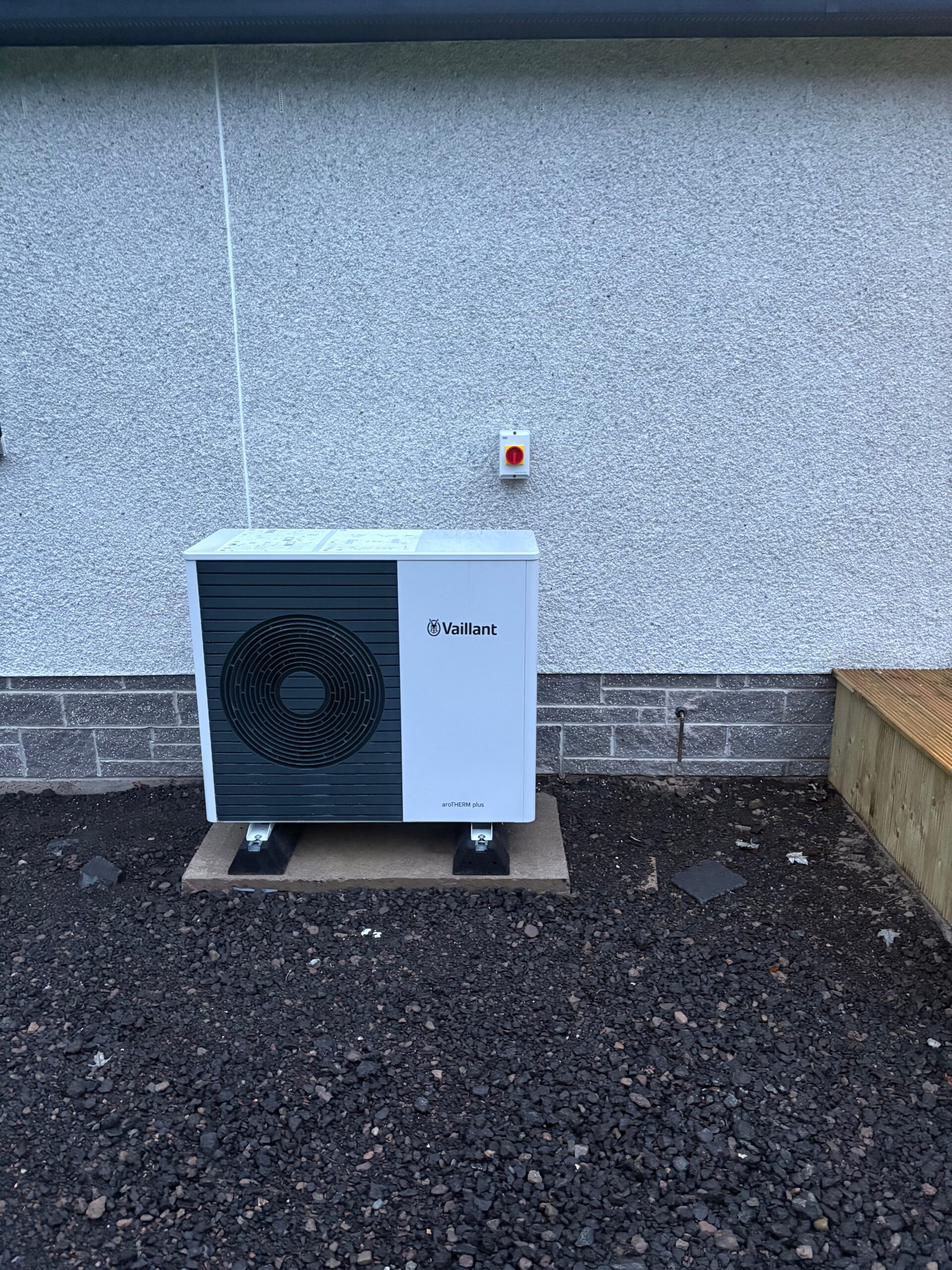
Running Costs and Efficiency
Heat pumps operate differently from gas boilers, running at lower temperatures over longer periods.
Efficiency Factors
- Insulation quality
- System design accuracy
- Usage patterns
Potential Savings
- Reduced reliance on gas
- Stable long-term energy costs
- Improved system efficiency
Independent guidance on energy efficiency can be found here.
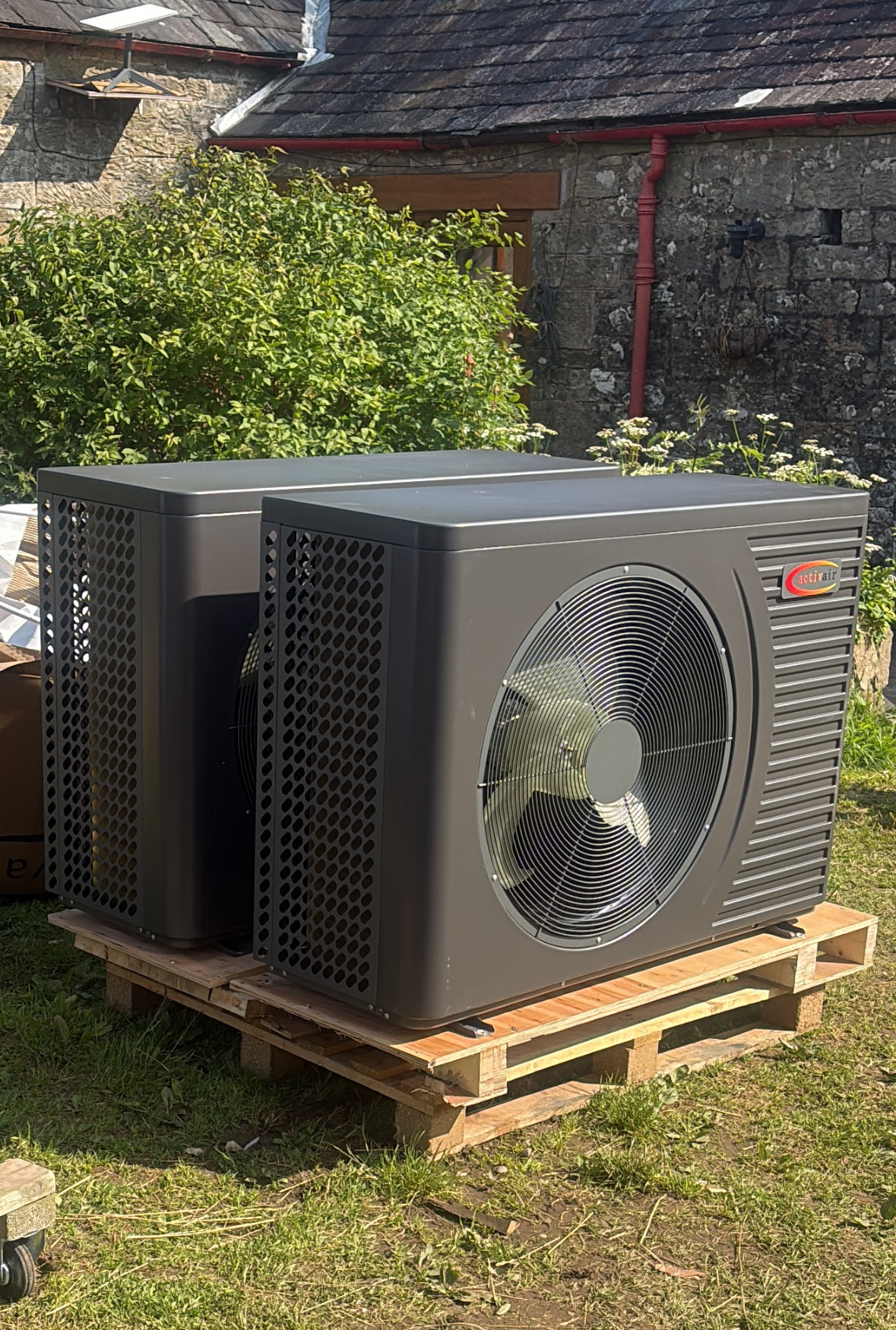
Common Misconceptions About Heat Pumps
“They Don’t Work in Cold Weather”
Modern systems are designed for low temperatures and operate effectively in Scotland.
“They Replace Boilers Directly”
Heat pumps require system design changes and are not always direct replacements.
“They Are Always Cheaper to Run”
Savings depend on correct installation and property suitability.
Heat Pumps vs Traditional Boilers
Heat pumps and boilers serve the same purpose but operate differently.
- Boilers generate heat quickly at high temperatures
- Heat pumps provide steady, efficient heating over time
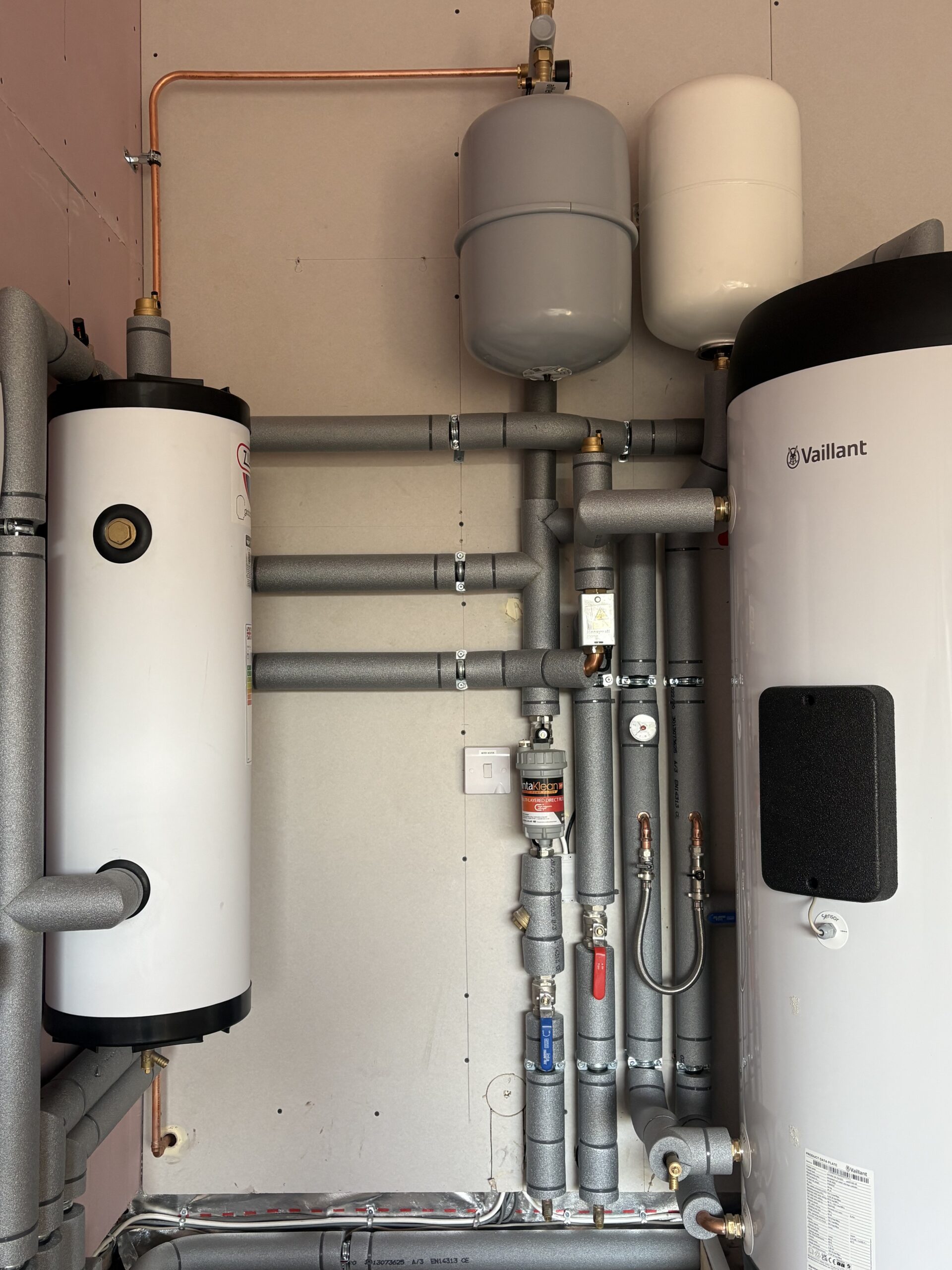
For some properties, upgrading an existing system via Boiler Installations may still be appropriate.
When a Heat Pump May Not Be the Right Choice
Heat pumps may not be suitable if:
- The property cannot be upgraded for efficiency
- Installation costs outweigh long-term benefits
- Heating demand is unsuitable for low-temperature systems
In these cases, alternative heating improvements or repairs may be more practical.
Why Professional Advice Matters Before Installation
Incorrect system design is one of the most common causes of poor heat pump performance.
A professional assessment ensures:
- Correct system sizing
- Realistic performance expectations
- Long-term reliability
Frequently Asked Questions About Heat Pumps
Q: Are heat pumps worth it in Scotland?
Yes, when properly installed and matched to the property, they can provide efficient and reliable heating.
Q: How long does installation take?
Timescales vary depending on system complexity and property requirements.
Q: Do heat pumps replace radiators?
Not always, but radiator upgrades are sometimes required.
Q: Are heat pumps noisy?
Modern systems are designed to operate quietly.
Q: Do I need planning permission?
Most installations fall under permitted development, but confirmation is recommended. Check it here.
Speak to a Heat Pump Specialist in Dunfermline
If you are considering heat pumps in Dunfermline, getting clear, expert advice before installation helps ensure the right decision for your property.
Plumbing & Heating Dynamics provides honest, practical guidance based on system suitability, not assumptions or sales pressure.
Arrange an assessment, request a quotation, or speak directly with a heating engineer to discuss your options.