Heat Pump Maintenance Guide: How to Keep Your System Efficient for Longer
A heat pump is designed to provide reliable, energy-efficient heating for many years, but regular heat pump maintenance is essential to keep it performing at its best. Whether you’re considering a new installation or already own an air source heat pump, understanding how to care for your system can help improve efficiency, reduce running costs and extend its lifespan.
This guide explains how often a heat pump should be serviced, what maintenance homeowners can carry out themselves and the factors that influence how long a heat pump lasts. If you’re looking for tailored advice, Plumbing & Heating Dynamics is here to help.
What Is Heat Pump Maintenance?
Heat pump maintenance is the routine care and servicing carried out to keep your system operating safely and efficiently. It includes both simple homeowner checks and annual professional servicing.
Regular maintenance helps to:
- Improve energy efficiency
- Reduce unnecessary wear on components
- Maintain reliable heating and hot water
- Identify small issues before they become costly repairs
- Support manufacturer warranty requirements
Like any heating system, a heat pump performs best when it’s looked after consistently rather than only receiving attention when something goes wrong.
How Often Should a Heat Pump Be Serviced?
Most manufacturers recommend having your heat pump professionally serviced once every 12 months.
Annual servicing helps ensure the system continues to operate efficiently and allows any developing faults to be identified before they affect performance.
A typical service may include:
- Inspecting electrical connections
- Checking filters and airflow
- Cleaning key components
- Inspecting pipework and insulation
- Testing controls and safety features
- Assessing overall system performance
Professional servicing complements the simple maintenance checks you can carry out throughout the year.
Learn more about our Heat Pump Services if you’re looking for professional support.
Heat Pump Maintenance Checklist
Alongside annual servicing, there are several straightforward tasks that can help keep your heat pump running efficiently.
Keep the Outdoor Unit Clear
Remove leaves, dirt and other debris from around the outdoor unit to maintain good airflow.
Check Air Filters
Clean or replace filters as recommended by the manufacturer to prevent reduced airflow and unnecessary strain on the system.
Monitor System Performance
Pay attention to changes in heating performance, unusual noises or warning lights. Addressing issues early can help avoid larger repairs.
Keep Airflow Unrestricted
Ensure vents and outdoor units are not blocked by plants, garden furniture or stored items.
Arrange Annual Servicing
Book a professional service every year to keep the system operating safely and efficiently.
How Long Do Heat Pumps Last?
A well-maintained air source heat pump typically lasts 15 to 20 years. In some cases, systems can continue operating efficiently for even longer when they are correctly installed and regularly serviced.
While the heat pump itself is designed for long-term use, maintaining the wider heating system also plays an important role in overall performance.
If you’re still deciding whether a heat pump is the right choice, our Heat Pump Buyer’s Guide explains how the technology works and what to consider before installing one.
What Affects a Heat Pump's Lifespan?
No two systems operate under exactly the same conditions. Several factors can influence how long a heat pump continues to perform efficiently.
Installation Quality
Correct sizing and professional installation help ensure the system operates as intended from day one.
Regular Servicing
Routine servicing allows components to be checked, cleaned and adjusted before small issues develop into more significant faults.
Property Insulation
Well-insulated homes retain heat more effectively, reducing the workload placed on the heat pump.
Heating System Design
Radiators, pipework and controls all contribute to how efficiently the system performs. A well-balanced heating system supports better long-term performance.
Day-to-Day Use
Using the system as intended and avoiding frequent temperature changes can help reduce unnecessary wear over time.
Can You Maintain a Heat Pump Yourself?
However, professional servicing should always be carried out by a qualified heating engineer. Internal components, refrigerant circuits and electrical systems require specialist knowledge and equipment.
Homeowners can carry out several simple maintenance tasks to help keep their heat pump in good condition, including:
- Clearing debris from around the outdoor unit
- Cleaning accessible filters where recommended
- Checking for visible damage
- Monitoring system performance
- Reporting unusual noises or warning lights promptly
If you’re comparing renewable heating options or planning a future installation, you may also find our Heat Pump Costs & Grants Explained guide useful.
How to Improve Heat Pump Efficiency
Keeping your heat pump efficient isn't just about annual servicing. A few simple habits can help reduce energy consumption and maintain reliable heating throughout the year.
Maintain a Consistent Temperature
Heat pumps are designed to run steadily rather than heating your home in short bursts. Avoid making frequent, large adjustments to the thermostat, as this can reduce efficiency.
Keep the Outdoor Unit Clear
Check regularly that leaves, dirt, snow and other debris aren't restricting airflow around the outdoor unit.
Use the Right Controls
Modern controls help your heat pump operate more efficiently. If you're unsure how to programme your system, ask your installer or engineer for guidance.
Improve Home Insulation
A well-insulated property loses less heat, allowing your heat pump to maintain comfortable temperatures while using less energy.
Look After the Whole Heating System
Your heat pump works alongside radiators, pipework and controls. If your home has cold spots or uneven heating, improving the wider system can help maximise efficiency. Learn more about our Heating Performance Improvements.
Common Heat Pump Problems & When to Seek Advice
Most heat pumps are highly reliable, but performance can decline if issues are left unresolved.
Common signs that your system may need attention include:
- Higher than expected energy bills
- Rooms taking longer to warm up
- Reduced hot water performance
- Unusual noises or vibrations
- Ice build-up that doesn't clear naturally
- Warning lights or fault codes
- Inconsistent indoor temperatures
If you notice any of these issues, arranging a professional inspection can help identify the cause before it develops into a more significant repair.
Does Regular Maintenance Save Money?
Yes. Routine maintenance helps your heat pump operate as efficiently as possible, which can reduce unnecessary energy use and minimise wear on key components.
Regular servicing may help to:
- Lower running costs
- Improve system efficiency
- Reduce the risk of unexpected breakdowns
- Extend the lifespan of the heat pump
- Maintain reliable heating and hot water
While maintenance cannot prevent every fault, it is one of the most effective ways to protect your investment over the long term.
Heat Pump Servicing in Dunfermline & Across Central Scotland
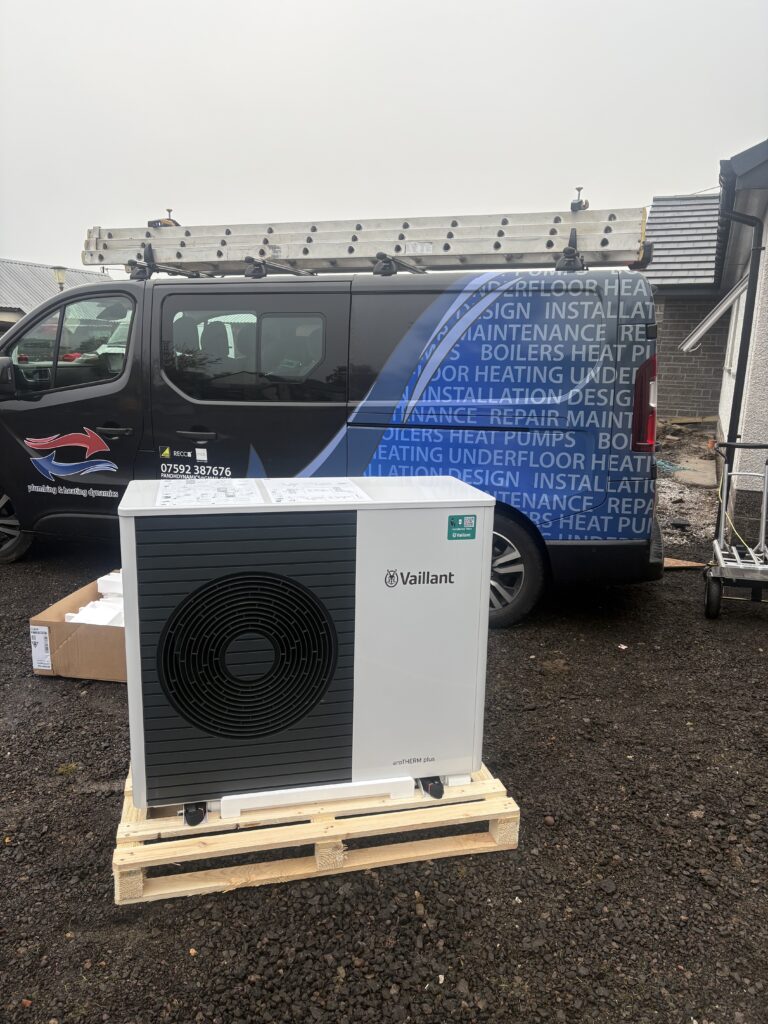
If you’re looking for heat pump servicing in Dunfermline, choosing an experienced heating engineer helps ensure your system continues to perform as intended.
At Plumbing & Heating Dynamics, we support homeowners throughout Fife and Central Scotland with professional heat pump servicing, maintenance and renewable heating advice. Whether your system requires its annual service or you’re looking for guidance on improving efficiency, we’re here to help.
You can also explore our:
Related Heat Pump Guides
If you’re researching renewable heating, these guides may also be helpful:
- Explore our Heat Pump Buyer's Guide for everything you need to know before installing a system.
- Read Heat Pump Costs & Grants Explained to understand installation costs and available funding.
- Compare technologies in our Heat Pumps vs Gas Boilers guide.
Trusted Resources
These resources explain how heat pumps work, expected performance, available funding and best practice for homeowners.
For impartial information about heat pumps and renewable heating, the following organisations provide useful guidance:
- Energy Saving Trust
- Home Energy Scotland
- MCS (Microgeneration Certification Scheme)
Frequently Asked Questions
Most manufacturers recommend servicing your heat pump every 12 months to maintain efficiency and identify any developing issues.
A well-maintained air source heat pump typically lasts between 15 and 20 years, although this depends on installation quality, servicing and how the system is used.
You can carry out basic maintenance such as clearing debris and cleaning filters where recommended. Professional servicing should always be completed by a qualified engineer.
No. Routine homeowner checks combined with annual servicing are usually enough to keep a heat pump operating efficiently.
Regular servicing helps keep components clean, identifies potential issues early and supports efficient system operation.
Skipping routine servicing can reduce efficiency, increase running costs and allow minor faults to develop into more expensive repairs.
Manufacturer warranties vary, but many require regular servicing to remain valid. Always check the terms of your warranty.