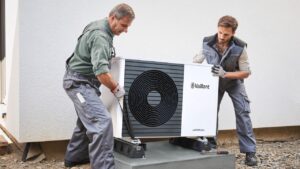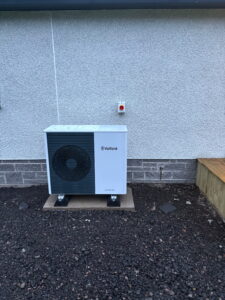
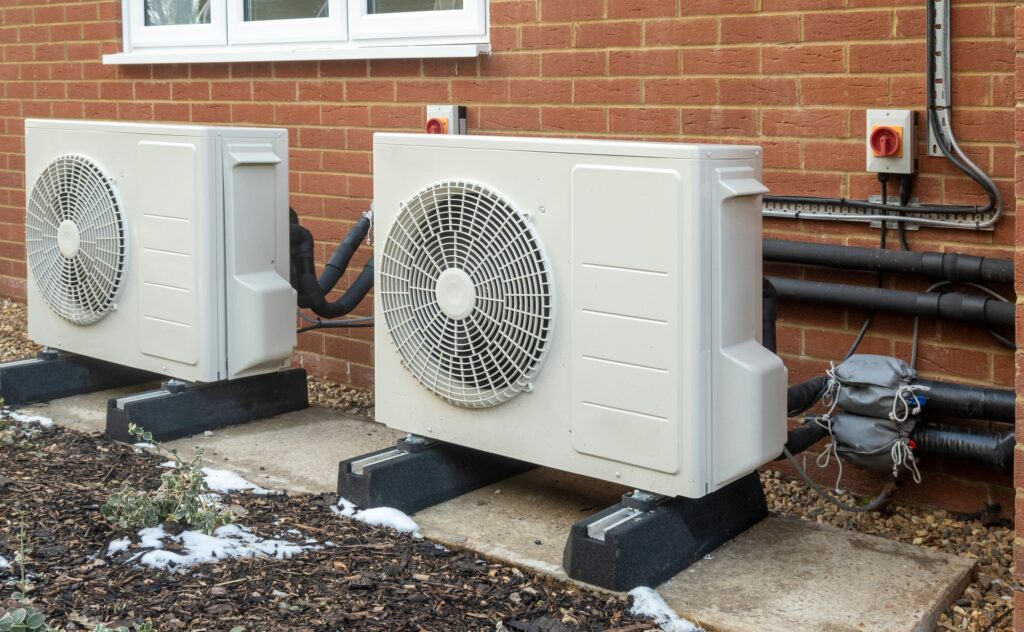
Heat pumps vs gas boilers is one of the biggest heating decisions facing UK homeowners. A gas boiler is usually cheaper and simpler to install, especially if your home already has gas central heating. A heat pump can be more efficient and lower carbon, but it depends heavily on insulation, system design, radiator sizing and how your home uses heat.
For many homeowners, the best choice is not simply “new technology versus old technology”. It is about choosing the heating system that suits the property, budget and long-term plans.
The Practical Answer For Homeowners
If your current boiler is old, unreliable or inefficient, replacing it with a modern gas boiler may be the most straightforward option. It usually works well with existing pipework, radiators and controls.
A heat pump may be the better long-term choice if your property is well insulated, you are planning wider home efficiency improvements, or you want to reduce reliance on fossil fuels. Heat pumps are recognised by the Energy Saving Trust as low-carbon systems that can replace gas or oil boilers in many UK homes. Energy Saving Trust
The right decision should come from a proper assessment, not a quick comparison of equipment.
How Gas Boilers & Heat Pumps Work Differently
Gas Boilers Produce Heat Directly
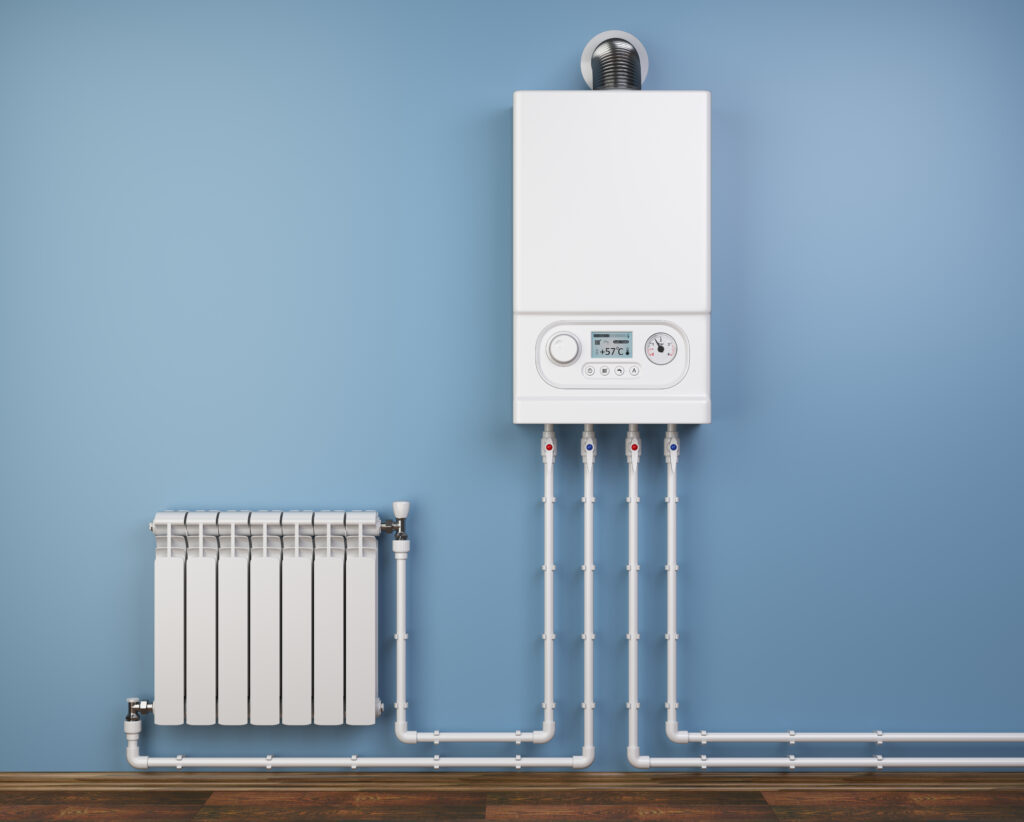
A gas boiler burns natural gas to heat water, which then circulates through radiators and supplies hot water. Most UK homeowners understand how boilers feel in everyday use because they provide high-temperature heat quickly.
This makes them suitable for many existing homes, especially where radiators, pipework and controls are already designed around boiler temperatures.
Heat Pumps Move Existing Heat
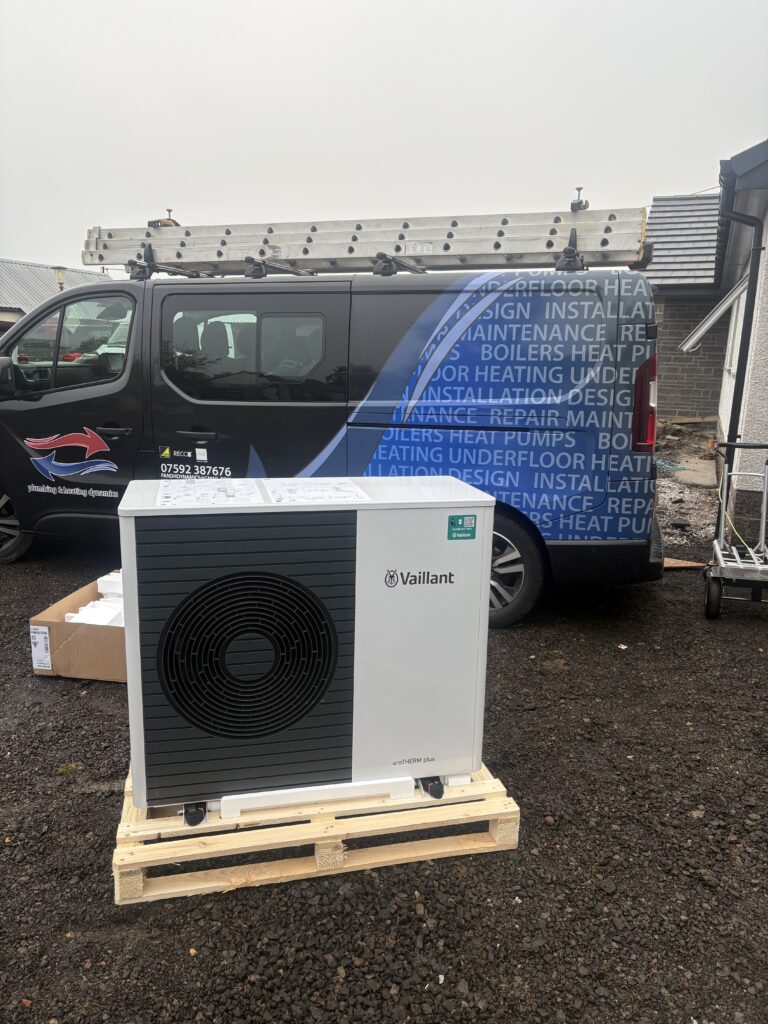
A heat pump does not generate heat in the same way. It extracts heat from the air or ground and upgrades it for use in your home. This means it can deliver more heat energy than the electricity it uses.
Heat pumps usually run at lower flow temperatures than gas boilers, so system design matters. Radiators may need to be larger, insulation may need improvement, and controls need to be set up correctly.
Should I Replace My Boiler With A Heat Pump?
You should consider replacing your boiler with a heat pump if your home is suitable for low-temperature heating, reasonably well insulated and likely to benefit from long-term efficiency improvements.
A heat pump may be worth exploring if:
- Your home holds heat well
- You are already planning insulation upgrades
- Your radiators are suitable or can be upgraded
- You want to reduce carbon emissions
- You are interested in available funding
- You plan to stay in the property long-term
A gas boiler may still be more practical if:
- Your boiler has failed suddenly
- Your home has poor insulation
- You need a lower upfront cost
- Your heating system is not ready for low-temperature operation
- Major radiator or pipework changes would be disruptive
For homeowners comparing a new boiler installation with a renewable upgrade, the most useful first step is understanding how the property performs now.
Which Is Cheaper To Install?
Gas boilers are usually cheaper to install than heat pumps because they often work with existing heating systems.
Heat pump installations can involve more design work and may require changes such as:
- Larger radiators
- Hot water cylinder upgrades
- Pipework adjustments
- Control changes
- Insulation improvements
In Scotland, funding may be available through Home Energy Scotland for eligible heat pump installations. Home Energy Scotland provides information on grants and interest-free loans funded by the Scottish Government. Home Energy Scotland
Because funding rules can change, homeowners should always check current eligibility before making a decision.
Which Is Cheaper To Run?
This is where the answer becomes more nuanced.
A heat pump is more efficient than a gas boiler in terms of energy used, but electricity usually costs more per unit than gas. That means running costs depend on the efficiency of the heat pump, your tariff, your insulation and how well the system has been designed.
A gas boiler may be cheaper to run in some properties, especially where electricity tariffs are high or the heat pump would have to work harder due to poor insulation.
A heat pump may be cheaper or similar to run where:
- The home is well insulated
- The system is correctly sized
- Radiators are suitable
- Controls are properly set
- The household uses an appropriate electricity tariff
Energy Saving Trust guidance notes that heating and hot water account for over half of many UK energy bills, which is why system efficiency, controls and property condition matter so much. Energy Saving Trust
Boiler Or Heat Pump For My Home?
The best heating system depends on the property rather than the product.
Older Homes Need Careful Assessment
Older properties can work well with heat pumps, but only if heat loss, radiator sizes and insulation are properly considered. A poorly designed heat pump system can feel underwhelming and may cost more to run than expected.
Modern Homes May Suit Heat Pumps
Newer or well-insulated homes are often better suited to heat pumps because they retain heat more effectively. These properties may need fewer system changes, although a proper survey is still essential.
Busy Households Need Reliability
If your household uses a lot of hot water or needs fast heating response, the system design becomes especially important. A boiler may feel more familiar, while a heat pump needs to be designed around steady, efficient operation.
What About Comfort & Heating Performance?
Gas boilers heat water to higher temperatures, so radiators often feel hotter to the touch and rooms can warm up quickly.
Heat pumps usually work best when they run steadily at lower temperatures. This can still provide excellent comfort, but it feels different from a traditional boiler. Instead of short bursts of high heat, a heat pump is designed to maintain a consistent indoor temperature.
This is why heat pump advice should never be based on the unit alone. The whole heating system needs to be considered.
If your current system already struggles with cold radiators, slow heat-up times or uneven rooms, it may be worth looking at heating performance improvements before deciding on a replacement.
Common Mistakes When Comparing Heat Pumps & Gas Boilers
One of the biggest mistakes is comparing installation prices without comparing system suitability.
Other common mistakes include:
- Assuming every home is ready for a heat pump
- Assuming a new boiler will solve poor circulation
- Ignoring radiator sizing
- Forgetting about insulation
- Comparing running costs without checking tariffs
- Overlooking servicing and maintenance
- Choosing based only on online averages
Good advice from heating engineers in Dunfermline or your local area should include a discussion about how your home actually performs, not just which product is available.
When A Gas Boiler Still Makes Sense
A gas boiler can still be a sensible option when the property already has a suitable gas central heating system, and the priority is a reliable, lower-disruption replacement.
It may be the right choice if:
- Your current boiler is unreliable
- Your radiators and pipework are in good condition
- You need a straightforward replacement
- A heat pump is not currently practical
- You are not ready for wider home upgrades
A modern boiler can also be combined with better controls, system balancing and regular servicing to improve performance.
You can explore ongoing support through boiler repairs and maintenance and domestic boiler servicing.
When A Heat Pump Makes More Sense
A heat pump may be the stronger long-term option if you are planning ahead and want a lower-carbon heating system.
It may suit you if:
- Your home is well insulated
- You want to reduce fossil fuel use
- You are planning renovation work
- You have space for the outdoor unit
- Your radiators can support lower-temperature heating
- You are eligible for funding
- You want a long-term heating upgrade rather than a like-for-like replacement
For homeowners still researching the process, the heat pump buyer’s guide and heat pump costs and grants guide are useful next reads.
What Is The Best Heating System In Dunfermline Homes?
There is no single best heating system for every Dunfermline home. A newer, well-insulated property may be a good candidate for a heat pump, while an older home with existing gas central heating may be better suited to a modern boiler or staged heating improvements first.
The key is to avoid choosing based on general advice alone.
A proper assessment should consider:
- Property size
- Insulation levels
- Existing radiators
- Pipework condition
- Hot water demand
- Current energy use
- Budget
- Long-term plans
This is where local property knowledge can help, especially across homes with different ages, layouts and heating demands.
FAQs About Heat Pumps Vs Gas Boilers
Are Heat Pumps Better Than Gas Boilers?
Heat pumps are more energy efficient and lower carbon, but they are not automatically better for every property. Suitability depends on insulation, design, installation quality and household heating needs.
Can A Heat Pump Replace My Boiler?
Yes, a heat pump can replace a boiler in many homes, but the system may need design changes such as radiator upgrades, control adjustments or hot water cylinder changes.
Is A Gas Boiler Still Worth Installing?
A gas boiler can still be worth installing where the home is already set up for gas central heating and a heat pump is not currently practical or cost-effective.
Do Heat Pumps Work In Cold Weather?
Yes, heat pumps can work in cold weather when they are correctly sized and installed. Performance depends on design quality and property heat loss.
Should I Upgrade Insulation First?
In many cases, yes. Better insulation reduces heat demand, which can improve comfort and make both boilers and heat pumps work more efficiently.
Getting Clear Advice Before You Decide
Choosing between heat pumps vs gas boilers is not just a product decision. It is a property decision.
A boiler may be the right choice if you need a practical, reliable replacement. A heat pump may be the better long-term option if your home is suitable and you want a lower-carbon heating system. The right answer depends on the building, your budget and how you use your heating every day.
For practical advice based on your home, explore Plumbing & Heating Dynamics’ heat pump services or speak to the team about the most suitable next step.