Yes, heat pumps can be worth it in Scotland, but only when the system is correctly designed for the property. The climate is not the main problem. Poor insulation, undersized systems, unsuitable radiators and incorrect setup are usually bigger concerns.
Modern air source heat pumps can work in cold Scottish weather, including low winter temperatures. Efficiency does reduce when it gets colder, but a well-designed system should still provide reliable heating and hot water for many homes. Local Energy Scotland confirms that air source heat pumps can function in the lowest temperatures Scotland experiences.
The Practical Answer For Scottish Homeowners
A heat pump is worth considering if your home is reasonably well insulated, your heating system can support lower flow temperatures, and you are planning for long-term efficiency rather than the cheapest upfront replacement.
A heat pump may be a good fit if:
- Your home holds heat well.
- You are upgrading an older or inefficient heating system.
- You want to reduce reliance on fossil fuels.
- You are open to radiator, cylinder or control upgrades where needed.
- You want to explore available Scottish funding.
It may be less suitable as a quick replacement if your home has poor insulation, high heat loss or an existing system that needs major improvements first.
For a broader overview, read our Heat Pump Buyer’s Guide.
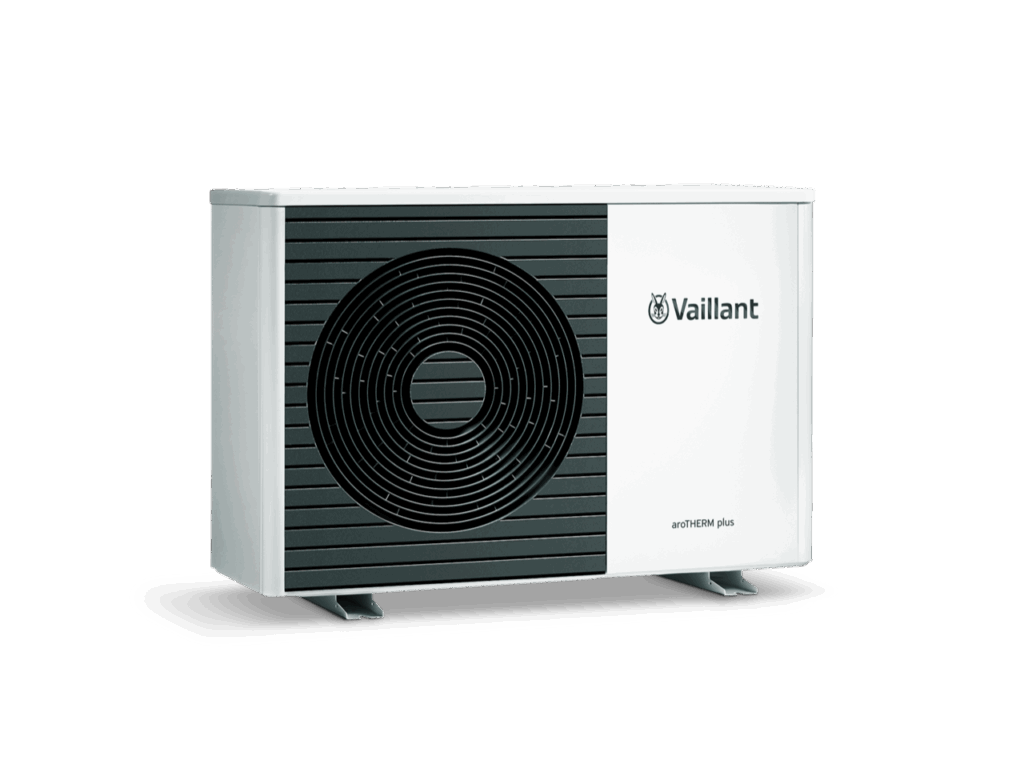
Do Heat Pumps Work In Scotland?
Yes, heat pumps do work in Scotland. They extract heat from outside air, even when the weather is cold, and transfer it into your home’s heating and hot water system.
Air source heat pumps are not designed to work like gas boilers. Instead of producing short bursts of high-temperature heat, they work most efficiently when running steadily at lower temperatures.
That means comfort depends on the whole system, not just the heat pump unit. The design must account for:
- Property size.
- Insulation levels.
- Heat loss.
- Radiator sizes.
- Hot water demand.
- Pipework and controls.
- Correct installation.
As Dunfermline heating engineers, we often see that the best results come from careful assessment before installation, rather than simply choosing a unit based on property size alone.
What Happens In Cold Weather?
Heat pump efficiency in cold weather does reduce because the system has to work harder to extract heat from colder air. This is normal and expected.
However, reduced efficiency does not mean the system stops working. Local Energy Scotland explains that efficiency reduces in cold weather and defrost cycles can cause short interruptions, but air source heat pumps are still suitable for Scottish conditions when properly specified.
The key is correct design. A poorly sized heat pump may struggle in winter, while a well-designed system should maintain comfort more consistently.
What Makes A Heat Pump Worth It?
A heat pump is most likely to feel worthwhile when the installation is planned around the property, not just the product.
Good Insulation
Insulation reduces heat loss. The less heat your home loses, the less work the heat pump has to do.
Correct System Sizing
An undersized heat pump may struggle in colder weather. An oversized system can also operate inefficiently. Accurate heat loss calculations are essential.
Suitable Radiators
Heat pumps often run at lower temperatures than gas boilers. Some homes need larger radiators or underfloor heating to deliver enough warmth efficiently.
Smart Controls
Good controls help the system maintain steady temperatures. This supports comfort and reduces unnecessary energy use.
Professional Installation
Installation quality affects performance, comfort and running costs. MCS exists to define and maintain standards for low-carbon technologies, including heat pumps and installers.
You can learn more about our background on our Qualifications page.
Are Heat Pumps Cheaper To Run In Scotland?
They can be, but not always.
Heat pumps are highly efficient because they move heat rather than generate it directly. Home Energy Scotland describes heat pumps as modern, low-carbon heating systems that are much more energy efficient than boilers and other types of electric heating.
Running costs depend on:
- Electricity tariffs.
- Current heating fuel.
- System efficiency.
- Insulation.
- Heating habits.
- Installation quality.
A heat pump may be especially attractive if you are replacing oil, LPG or direct electric heating. If you are replacing a modern gas boiler, the financial case needs careful assessment.
For a more detailed comparison, read Heat Pumps Vs Gas Boilers.
What Funding Is Available In Scotland?
Scottish homeowners may be able to access support through the Home Energy Scotland Grant and Loan scheme.
Home Energy Scotland states that grant funding of up to £7,500 is available for clean heating systems such as heat pumps, with an additional £7,500 potentially available as an optional interest-free loan.
Eligibility can change and depends on the property and scheme criteria, so always check the latest guidance before making a decision.
You can also read our Heat Pump Costs & Grants Explained guide.
When Might A Heat Pump Not Be Worth It Yet?
A heat pump may not be the right immediate choice if:
- Your home has poor insulation.
- The existing heating system needs major upgrades.
- You need the lowest upfront cost.
- You want heating that behaves exactly like a gas boiler.
- There is limited space for outdoor equipment.
- The property has not been properly assessed.
In some cases, it may be better to improve heating performance first. Our Heating Performance Improvements service explains how system issues can be addressed before larger upgrades are considered.
Common Mistakes Homeowners Make
Many problems with heat pumps come from expectations or design issues rather than the technology itself.
Common mistakes include:
- Assuming every home is automatically suitable.
- Comparing only installation prices.
- Ignoring insulation.
- Keeping undersized radiators.
- Using the system like a gas boiler.
- Choosing an installer without enough design detail.
- Forgetting about maintenance and aftercare.
A good heat pump installation should begin with proper assessment, not a quick quote.
FAQs About Heat Pumps In Scotland
Are Heat Pumps Worth It In Scotland?
Yes, they can be worth it when the property is suitable, the system is correctly designed, and the homeowner understands how heat pumps operate.
Do Heat Pumps Work In Scottish Winters?
Yes. Air source heat pumps can work in Scottish winter conditions, although efficiency reduces as outdoor temperatures fall.
Are Air Source Heat Pumps Good For Older Homes?
They can be, but older homes often need more careful assessment. Insulation, radiator sizing and heat loss are especially important.
Do Heat Pumps Need Bigger Radiators?
Sometimes. Heat pumps work best at lower flow temperatures, so larger radiators may be needed to achieve comfortable room temperatures.
Should I Replace My Boiler With A Heat Pump?
It depends on your home, budget, insulation and long-term plans. A professional assessment is the safest way to decide.
Get Clear Advice Before You Decide
Heat pumps can work well in Scotland’s climate, but the right outcome depends on design, installation and property suitability. Before committing, it is worth getting clear advice based on your home, not general assumptions.
If you’re considering an air source heat pump in Dunfermline or elsewhere in Fife, explore our Heat Pump Services or contact Plumbing & Heating Dynamics for practical, impartial guidance based on your property’s requirements.